


Vapes vs. Cigarettes: What Smokers Are Actually Switching To in 2026

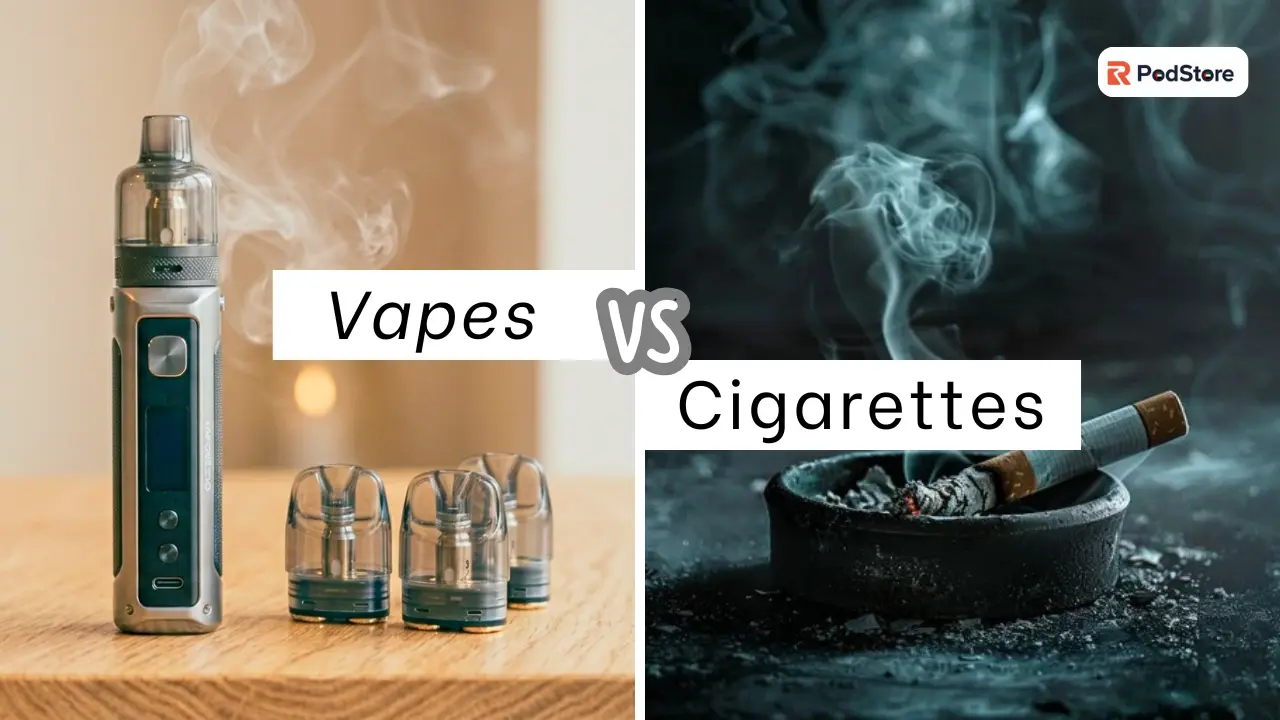
Smoking habits are changing fast in 2026. More smokers than ever are moving away from traditional cigarettes and trying vaping instead.
But what are people actually choosing after making the switch? And is vaping really better than smoking?
In this guide, we break down vapes vs. cigarettes in a simple, real-world way—so you can understand the differences and see what smokers are actually switching to today.
What Is the Difference Between Vaping and Smoking?
The main difference between vaping and smoking is how they create nicotine. Smoking uses fire to burn tobacco. Vaping uses a battery to heat a liquid. One creates smoke, while the other creates vapor.
How Cigarettes Work
Cigarettes rely on combustion. When you light a cigarette, the tobacco burns at a high heat. This burning creates smoke. This smoke contains ash, tar, and many chemicals. It is a one-way process that leaves behind waste.
How Vaping Works
Vaping uses vaporization instead of fire. A small battery heats a metal coil inside the device. This coil warms a liquid until it turns into a mist. You breathe in this mist, which is called vapor. There is no burning and no ash.
Vaping vs. Smoking Explained
Think of it like a stove versus a kettle. Smoking is like a wood fire that creates smoke and soot. Vaping is like a kettle that boils water to make steam. Both deliver nicotine, but the way they do it is very different. This makes vaping a cleaner alternative for the user.
Why Are Smokers Switching to Vapes?
Smokers are moving to vapes for practical reasons that fit a modern lifestyle. Understanding why smokers switch to vapes highlights the clear benefits of making the change.
- No Lingering Smell: Vapor is light and fades in seconds. It doesn’t stick to your hair, skin, or clothes like tobacco smoke does.
- Flavor Variety: Unlike the limited choice of tobacco or menthol, vapes offer hundreds of fruit, dessert, and classic blends.
- Convenience: With no lighters or ash needed, vapes are easy to use on the go. You can take one puff and put the device away instantly.
- Reduced Toxins: Because there is no combustion, vaping does not produce tar or carbon monoxide in the same way cigarettes do. This is why many users see it as a cleaner option compared to smoking.
- Social Ease: The lack of secondhand smoke makes vaping more acceptable around friends and in public spaces.
Final Thought: Smokers switch because vapes are cleaner, cheaper, and more flexible in daily life.
Vapes vs. Cigarettes: Key Differences
To better understand the real-world differences, here’s a quick side-by-side comparison of vaping vs. smoking:
| Feature | Cigarettes | Vapes |
| Nicotine delivery | Fast, harsh | Adjustable, smoother |
| Smell | Strong, sticks to everything | Fades in seconds |
| Cost (monthly) | ~600+ AED | ~180–250 AED |
| Ease of use | Light and smoke | Refill or change pods |
| Customization | None | Flavors, nicotine levels, devices |
| Availability | Everywhere (but restricted) | Growing, but varies by region |
Health Perspective: Vaping vs Smoking
When comparing vaping vs. smoking health risks, the primary difference lies in how chemicals are released. Understanding these biological effects helps build a clear picture of why many see one as a bridge away from the other.
How Combustion Impacts the Body
Traditional cigarettes rely on fire. When tobacco burns, it creates a deadly mix of over 7,000 chemicals. This process, known as combustion, produces tar and carbon monoxide. These substances are the main causes of long-term effects of vaping vs. smoking seen in heavy smokers.
The Role of Vaporization
Vaping does not burn tobacco. Instead, it heats a liquid to create an aerosol. Because there is no fire, the vapor contains significantly fewer toxic compounds than cigarette smoke. Many health experts note that while not harmless, it avoids the most dangerous byproducts of burning leaves.
Is Vaping Safer Than Smoking?
Most current research suggests that vaping is a less harmful alternative for existing smokers. However, “safer” does not mean “safe.” Vapes still deliver nicotine and other particles into the lungs. It is best viewed as a tool for harm reduction rather than a healthy habit.
Ongoing Research and Risks
- Not Risk-Free: Vapes can still contain heavy metals and heating byproducts.
- Evolving Data: Since vaping is newer than smoking, scientists are still studying its 20-year effects.
- Target Audience: Health groups agree that non-smokers should never start vaping.
- Nicotine Levels: Some devices can deliver more nicotine than a standard cigarette, which affects addiction.
Expert Note: The goal for most users is to eventually move away from all nicotine products. While switching is a step toward reducing toxins, total cessation remains the gold standard for long-term health.
Cost Comparison: Is Vaping Cheaper Than Smoking?
Many people ask if vaping is cheaper than cigarettes before they switch. Long-term savings are usually very high.
Initial Device Cost vs. Ongoing Cost
Smoking has no setup fee. Vaping requires an initial device buy between 35 AED and 150 AED. After that, the daily vape price is much lower.
Pods and Liquid vs. Daily Packs
A pack-a-day smoker spends over 600 AED monthly. Most vapers spend just 150 to 250 AED monthly on supplies.
Monthly Estimate Comparison
- Cigarettes: ~600+ AED per month (based on one pack daily).
- Disposable Vapes: ~180–250 AED per month (using 4-5 high-puff devices).
- Refillable Pod Systems: ~120–180 AED per month (buying pods and coils).
The Verdict: Vaping is significantly cheaper. The average user saves thousands of dirhams every year.
What Are Smokers Actually Choosing in 2026?
In 2026, vaping continues to grow in popularity, especially among smokers looking for more flexible alternatives.
2026 Vaping Trends
- Smart Devices: Users want vapes with Bluetooth, screens, puff counters, and long-life batteries.
- Younger Users: This group prefers high-puff disposables with bold, fruity flavors.
- Older Users: Long-time smokers usually pick refillable pod kits with tobacco-style flavors.
- Convenience: People choose vapes because they require no lighter, leave no ash, and smell fresh.
The Shift to Quality
Smokers are choosing hybrid systems and smart pods. These devices offer the best of both worlds: the ease of a disposable and the power of a professional kit. The trend is clear—smokers want a seamless, high-tech transition that fits their personal style.
Pros and Cons of Vaping vs Smoking
Pros of Vaping
- ✔ Less smell
- ✔ Lower monthly cost
- ✔ No tar or carbon monoxide
- ✔ Adjustable nicotine
- ✔ Many flavors
- ✔ No secondhand smoke risk (only vapor)
Cons of Vaping
- ✖ Still addictive
- ✖ Long-term risks unknown
- ✖ Device can fail or leak
- ✖ Refilling takes effort
- ✖ Some cheap liquids are low quality
Drawbacks of Smoking
- Strong, permanent smell
- Very expensive
- Tar damages lungs
- Over 70 known carcinogens
- Hard to reduce nicotine
- Bothers people nearby
Smoking vs. vaping pros and cons show one thing: cigarettes have no real advantage except habit and availability.
Should You Switch from Cigarettes to Vaping?
Deciding whether you should switch to vaping depends on your current habits.
Not for non-smokers
If you do not smoke, do not start vaping. No reason to add nicotine to your life.
For smokers: possible alternative
If you currently smoke, vaping is an alternative. Many adults use it to move away from tobacco. Some quit completely. Others just switch.
Personal choice + responsibility
The choice is yours. No shame in smoking. No hype for vaping. If you switch, buy quality products. Avoid black market liquids. Have a plan if you want to stop later.
FAQ
Q. Is vaping safer than cigarettes?
A: Yes, for current smokers. Fewer toxins. No tar. But not risk-free.
Q. Can vaping help you quit smoking?
A: Some users quit completely. Others reduce cigarettes. It works for some, not all.
Q. Why are more smokers switching to vapes?
A: Less smell. Lower cost. More flavor choices. Faster to use.
Q. Is vaping cheaper than smoking?
A: Yes. After the first month, you save 50–70% compared to daily cigarette packs.
Q. Does vaping produce secondhand smoke?
A: No. Vaping produces vapor, not smoke. Vapor disappears faster and has less odor.
Q. Can you control nicotine levels with vaping?
A: Yes. Vape liquids come in many strengths. You can slowly lower your nicotine over time.
Q. Do vapes smell like cigarettes?
A: No. Vapes smell like their flavor. Fruit, mint, or dessert. The smell fades in seconds.
Final Verdict
The vapes vs. cigarettes conclusion is clear: technology has redefined the nicotine experience. While both deliver nicotine, the methods and results are very different.
Key Differences
- Maintenance: Cigarettes are “one and done,” while vapes require charging.
- Impact: Vaping removes the tar, ash, and heavy odors of smoking.
- Cost: Vaping is the more budget-friendly option for daily users.
Which Is Better?
When asking about “vaping or smoking: which one is better?” the answer depends on your goals. For current smokers, vaping offers a cleaner and more customizable alternative. It fits social settings and gives you control over nicotine levels.
Closing Thought
When comparing vapes vs. cigarettes, most smokers today are not just asking which is better—they’re asking which one fits their lifestyle.
For many, vaping offers more flexibility, control, and convenience in daily life. But the right choice ultimately depends on your personal habits and goals. Whether you stick with smoking or consider switching, being informed helps you make a decision that actually works for you.